 By owais
 Introduction: A Near-Future Scenario, Some Numbers, and One Big Question
Have you ever wondered what a clinic lit by soft, pulsing LEDs might mean for a patient’s recovery—ten years from now? I picture corridors humming with focused wavelengths and quiet devices, and I think: there’s real potential here. A red light therapy company told me recently they’ve seen a 35% improvement in simple recovery times in pilot studies (small sample, but telling), and that data makes me ask: could targeted photobiomodulation shift how clinics handle inflammation and chronic pain?
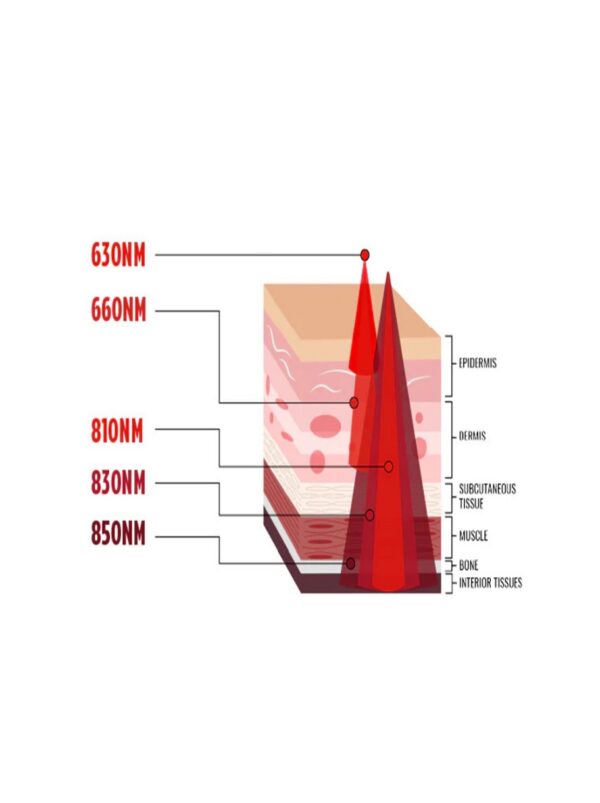
I’m writing from curiosity and cautious optimism. I’ve watched manufacturers tune wavelengths, tweak irradiance, and redesign LED arrays to try and match tissue response. Those technical moves matter—deeply—but so do real-world constraints like treatment time, device footprint, and patient comfort. What follows is my take on where the technology stumbles today, where it can go next, and how we should judge solutions. Let’s dig in—there’s a lot to unpack.
Part 2 — Why the Classic Infrared Bed Falls Short
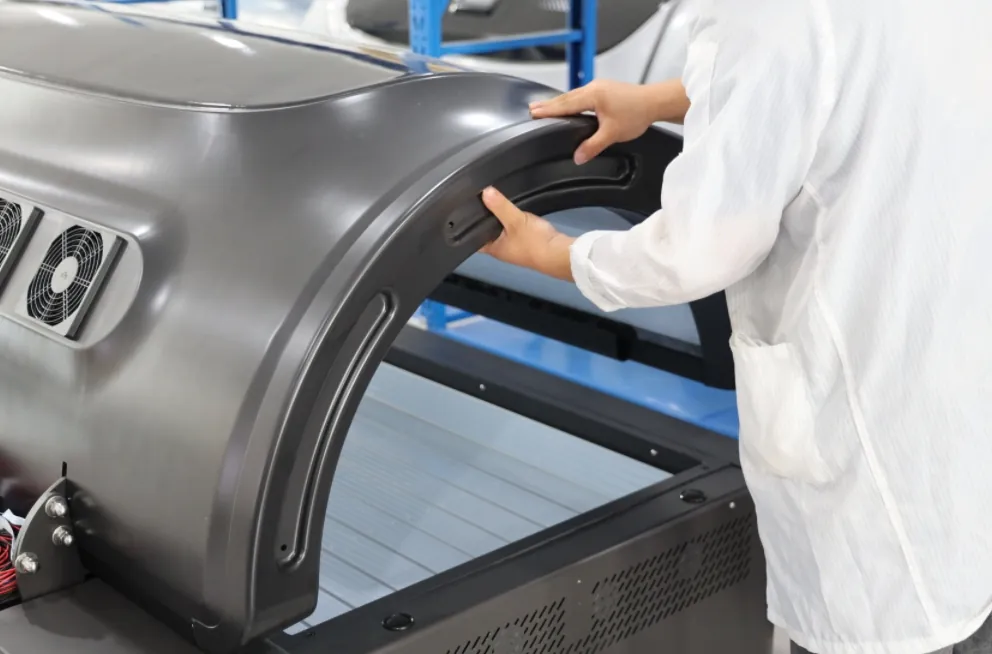
We need to talk about the infrared bed most clinics still rely on. On paper, an infrared bed looks ideal: broad coverage, passive use, and simple protocols. In practice, however, I’ve seen multiple failure points. First, wavelength mismatch—many beds use a one-size-fits-most approach but tissues respond differently to specific near-infrared (NIR) bands. Second, uneven irradiance: hotspots near LEDs, weak zones between them. That means variable dosing across the body, and inconsistent outcomes.
Third, and this is a practical gripe, is system integration. If a device can’t communicate treatment logs or connect with clinic management software, it becomes siloed equipment—useful but blunt. Look, it’s simpler than you think: clinicians want predictable outcomes, not guesswork. Photobiomodulation research offers clues, but translating those into patient-friendly, reproducible treatments is where many infrared beds stumble. I’d call these issues solvable, but they need deliberate fixes—better optics, smarter control electronics, and real-time sensors to monitor surface power density.
How severe are these flaws?
I’d say they’re significant enough to matter to clinics that track KPIs. If you’re paying for fixture uptime, patient throughput, and consistent symptom relief, you notice variance quickly. Some beds treat well for surface conditions but fail deeply for musculoskeletal complaints. That gap—between marketed promise and clinical reality—is where usability pain lives.
Part 3 — Principles for Next-Generation Devices and a Look Ahead
What changes if we design with principles, not assumptions? Start with calibrated wavelength control: adjustable NIR and red bands that match target tissues. Add closed-loop feedback: sensors measure skin response and adjust power converters and pulse frequency in real time. Then rethink form factor—modular LED arrays that let clinicians aim therapy rather than drape a patient under a one-size bed. These aren’t fantasy specs. They’re practical engineering shifts that improve dosimetry and patient experience. I believe they’ll be the baseline in three to five years.
Practically speaking, the next wave of devices will blend better optics with smarter firmware. Imagine an infrared bed that reports delivered joules, suggests follow-up timing, and adapts pulses based on tissue feedback. That kind of system reduces uncertainty—fewer no-shows, more measurable outcomes. And yes — funny how that works, right? — when devices talk to clinic software, adoption climbs because clinicians can justify ROI with data instead of anecdotes.
What’s Next?
Looking forward, here are three metrics I use when I evaluate a red light therapy system: delivered irradiance accuracy (how close output is to target), wavelength fidelity (ability to tune to therapeutic NIR/red bands), and interoperability (data export, EMR integration). Measure these and you cut through marketing noise. If a vendor can demonstrate consistent power density across the treatment surface, provide wavelength specs, and export session logs—bonus points—they’re no longer selling guesswork.
I’ve seen incremental improvements already, and I expect bolder leaps as designers borrow from wearable sensors and power electronics (better converters, smarter thermal management). We’ll still need robust clinical trials, of course, but I’m optimistic. When clinics pair intelligent devices with thoughtful protocols, patients win. For those interested in companies pushing this boundary, check out Magique Power. I’m watching their moves closely, and if you want my honest read: progress is underway—and meaningful.