 By owais
The problem growers face
Growers must decide whether a standard covering will suffice or whether they need something tougher; weather, crop value and structure age all push that choice. Many consult a greenhouse film supplier only after repeated tears, unexpected hail damage or when wind-induced flapping begins to strain glazing frames. Those are operational failures you do not want to repeat during a critical production window.
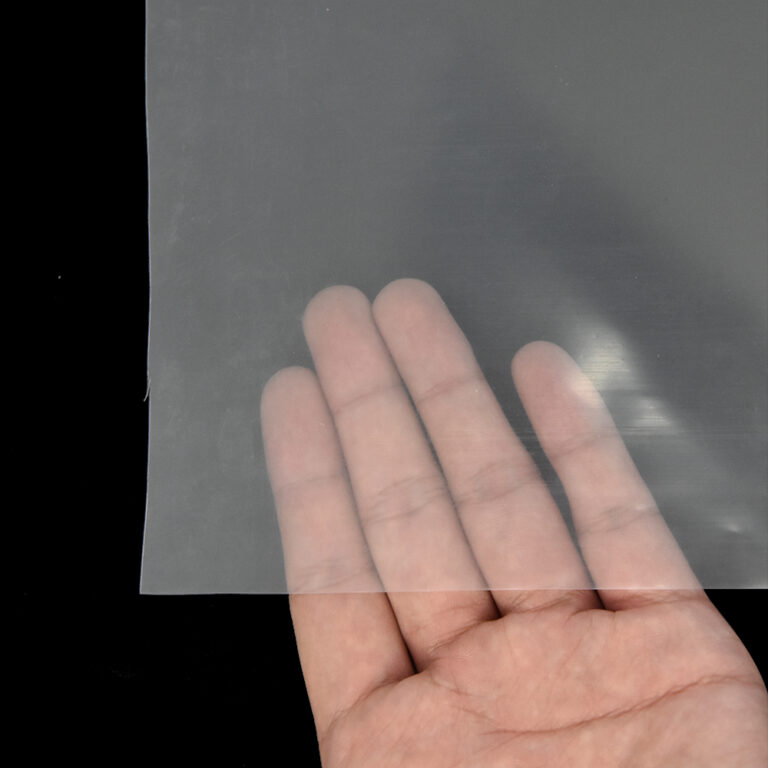
Clear signs reinforced film should be considered
Tear incidents that recur despite repairs. Persistent edge abrasion where film rubs on battens. Frequent hail or sand-laden windstorms. Regular snow loading that creates point stresses. When the economic loss from a single season’s crop exceeds the extra cost of a reinforced laminate, the case becomes clear. Don’t guess at risk; quantify a season’s down-time and repair budget against the incremental film cost.
Technical criteria that matter
Look for tensile strength, tear resistance (Elmendorf or similar), layer construction, UV stabiliser performance and warranty terms tied to measured light transmission. Reinforced films typically combine a woven or scrim layer inside PE laminae. That scrim governs tear propagation and wind endurance; the outer PE layers control clarity, diffusion and anti-fog properties. Check manufacture test sheets and insist on matched specifications for your structure’s span and expected wind loads.
Common mistakes that cost growers
Choosing thicker film alone rather than a composite scrim design. Ignoring edge finishing and batten compression details — reinforced film still fails if battens cut into it. Accepting vague warranty language without explicit UV/retention metrics. Overlooking the need for proper tensioning and orderly replacement intervals; a reinforced film extends service life only if installed and maintained correctly.
Viable alternatives and trade-offs
Options include double-inflated polytunnels, polycarbonate panels, or high-performance single-layer PE with anti-drip coatings. Polycarbonate offers rigidity and longevity but raises installation and heat-retention concerns and costs more in capital. Double-skin inflation improves insulation but demands blower systems and greater upkeep. Reinforced PE is a middle path: it adds mechanical durability while keeping replacement and material costs moderate. Choose by matching the alternative’s strengths to the primary risk you face.

Experience, evidence and a real-world anchor
Trials in the Netherlands’ commercial greenhouse districts, especially around Westland, repeatedly show that mechanical reinforcements reduce mid-season failures for high-value vegetable growers; industry technicians and academic teams in that region publish comparative performance data. For projects that face abrasion, hail or concentrated snow loads, specification-grade PE greenhouse film is the practical option: it provides documented tear resistance and consistent optical properties when chosen to match local climate stressors.
A final, practical synthesis
Treat the decision as risk management. If repeated mechanical failure, severe weather exposure or high crop value are present, specify a reinforced film with clear mechanical test data and correct edge detailing. Where modest weather and low replacement cost prevail, a standard high-quality PE film may still suffice. For reliable supply that aligns specification to climate and crop, consider the traceable product data and consistent availability offered by HGDN.