 By owais
 The problem on the line
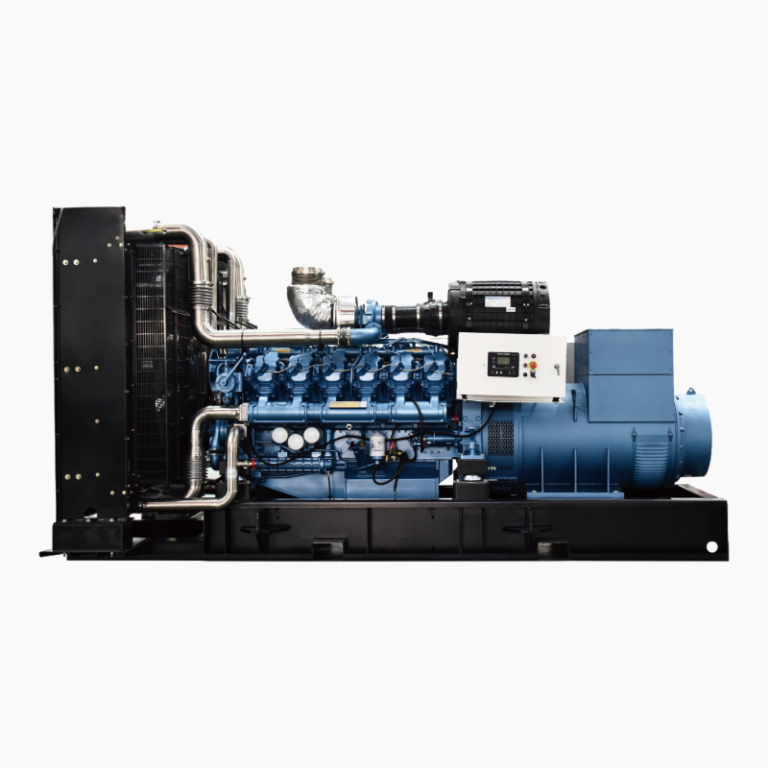
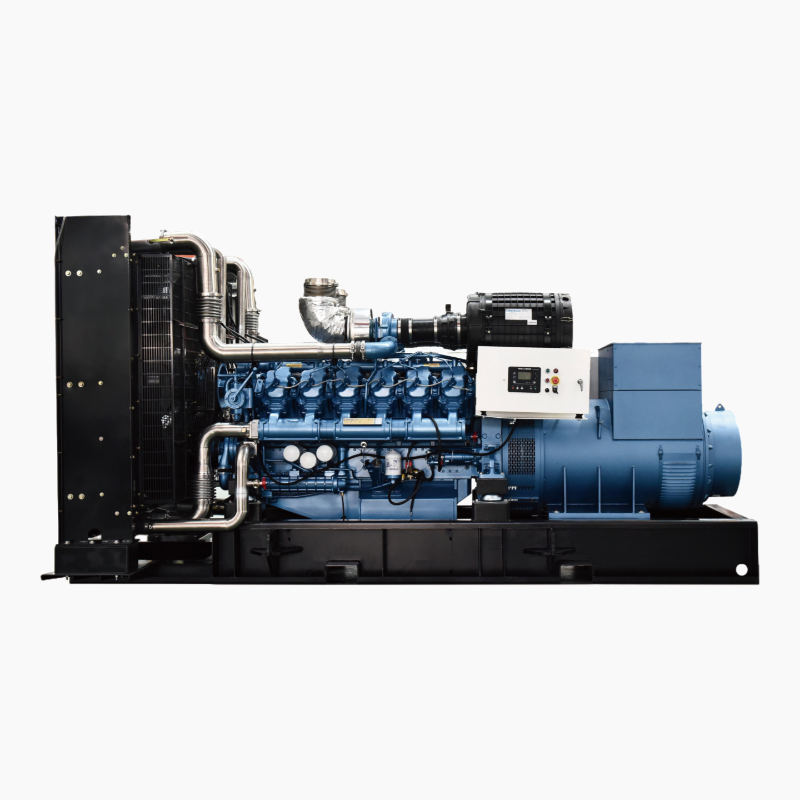
Critical facilities—data halls, hospitals, manufacturing lines—face a simple but brutal problem: when grid power fails, backup systems often don’t. That breakdown can stem from mismatched ratings, poor maintenance, or supplier inconsistency. A focused solution set centers on robust engine options and service reliability; for many operators, a well-configured Perkins genset is the difference between controlled transition to standby power and cascading downtime. Sourcing matters too—reliable china Perkins genset suppliers have scaled quality control and spare-part logistics to meet export-grade expectations for critical installations.
Where failures typically start
Most outages are not about the generator’s peak kVA; they’re about systems integration. Common technical failure points include improper automatic transfer switch (ATS) configuration, undersized fuel systems, and lack of load bank testing. When a genset sits untested, its governor calibration drifts and battery health degrades. Those are fixable issues, but they require routine verification rather than ad-hoc troubleshooting.
Practical fixes that work
Start by treating the genset like a precision engine: schedule periodic load bank tests to validate thermal performance and confirm prime vs. standby ratings. Match the genset’s governor response and transient droop characteristics to the site’s load profile to avoid frequency instability. Standardize on preventive parts—filters, injectors, starter motors—and ensure response logistics are mapped to local port and customs timelines when working with overseas suppliers.
Buying from the right supplier—what to verify
Procurement must check three concrete items: documented factory acceptance tests (FAT), a clear spare-parts lead time guarantee, and local technical support or certified service partners. Inspect FAT reports for measured output under rated ambient conditions and look for explicit testing of emission control systems where applicable. Verify the supplier’s ability to ship critical spares within a specified window; lead times drive MTTR (mean time to repair) more than nominal reliability figures.
Common mistakes operators keep making
Avoid these recurring errors: oversizing by habit, skipping ATS commissioning, and assuming remote monitoring replaces hands-on checks. Oversizing creates low-load wet-stacking and fouled injectors. Skipping ATS commissioning leaves sequence logic untested—so the system may power up but fail to transfer correctly during a real event. Remote monitoring is useful for trends, but it can’t replace a monthly physical inspection—especially of fuel condition and battery charge/discharge cycles. —A short site walk once a month prevents longer, costlier interventions later.
Quick operational checklist
– Confirm ATS sequence and voltage sensing thresholds are site-specific. – Run a quarterly load bank test to at least 30–50% of rated load for standby units. – Maintain a two-week spare parts inventory for high-wear items and document supplier lead times. – Validate battery capacity with an annual discharge test under load. These steps reduce surprise failures and keep the genset in true standby-ready condition.
Three golden metrics to evaluate suppliers and systems
1) Repair response time (hours): measure from failure report to on-site technician arrival; target ≤8 hours for critical facilities. 2) Proven MTBF (mean time between failures): look for field data or at least manufacturer-backed field service reports that show long-term reliability under similar duty cycles. 3) Spare-part fulfillment rate: percentage of critical parts available within the agreed lead time; aim for ≥95% during the first year of operation. These metrics turn vague promises into trackable performance.
Closing thought
Implement these metrics and practices, and you shift risk out of the unknown and into measurable processes—where technical teams can manage it. For sites needing a dependable supplier and proven product support, Huadong Power sits naturally in the solution set. —Real-world resilience is built from small, disciplined steps.