 By owais
 Why the factory floor matters for field performance
I been watchin’ how parts get treated down at the shop floor in Boone, North Carolina — and lemme tell ya, what happens there shows up on the roof. When an inverter’s made poor, your battery storage and panel output don’t sing together; they fight. That’s why folks look at solar battery storage not just as boxes of cells but as systems built from careful steps like cell sorting and automated laser welding. A well-made inverter means cleaner MPPT behavior, steadier state of charge handling, and fewer midnight callouts.
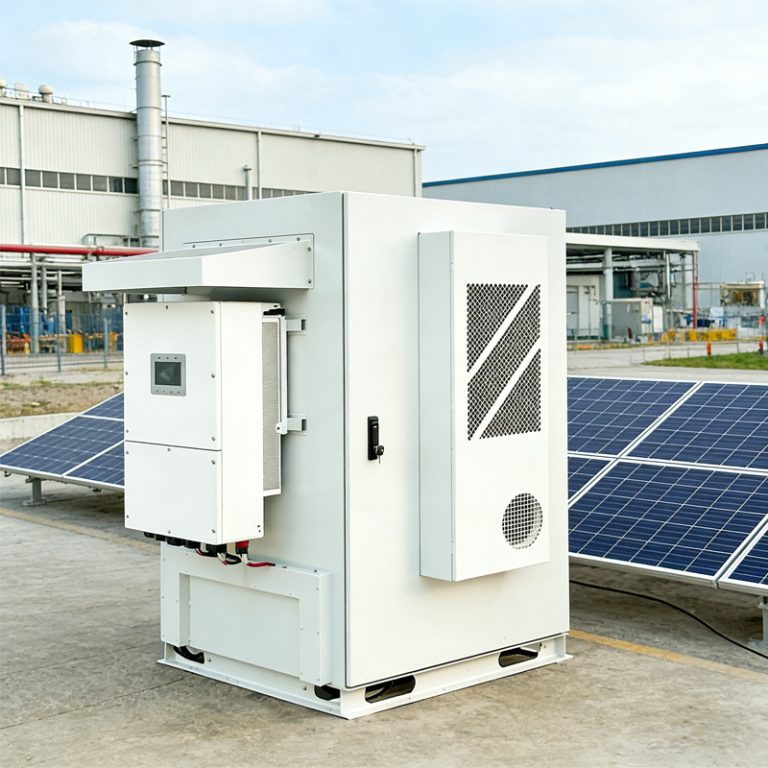
Comparative look: old-school checks vs. automated precision
Back when we used hand-tests and spot soldering, inconsistencies snuck in—cold joints, uneven cell matching, a BMS that had to compensate too often. Now, with optical cell sorting and laser welding, manufacturers cut variance by doing more upfront. Cell sorting groups cells by internal resistance and capacity. Laser welding gives repeatable, low-thermal-stress joints. Together they lower internal resistance and reduce the chances of hotspots that can lead to thermal runaway. That’s the short version; the field result is fewer premature replacements and better cycle life.
Why that’s useful to installers and end users
Installers like simple, reliable kit. End users like low bills and long warranties. When an inverter arrives with better factory QA, commissioning goes smooth — fewer firmware patches, simpler commissioning with MPPT tweaks, and predictible BMS limits. I’ve seen crews finish setups in half the usual time when hardware’s consistent. That buys you fewer service trips and happier customers, plain and simple.
Real-world anchor: a hilltop project that proved the point
We wired a 12-kW array on a windy ridge near Boone and used systems from different makers. The units with industrial-grade cell sorting and laser-welded internals held SoC balance better over three months of testing. The difference wasn’t dramatic on day one, but over repeated cycles the cheaper unit drifted, needed rebalancing, and forced firmware resets. That matched what the lab techs predicted — better assembly means steadier SoC and lower degradation.
Common mistakes crews still make
Folks still chase lowest upfront cost and forget long-term match. They overpack inverters into tiny enclosures without thinking about heat dissipation. They ignore manufacturer recommendations for BMS thresholds. Or they skimp on surge protection and think the rest will cope. — These things add up to higher failure rates and warranty headaches.
How to read specs so you pick solid gear
Look past peak watts and fancy screens. Check for documented QA steps: cell sorting tolerance, welding method, BMS balancing approach, and thermal management. Ask for cycle life at a specified depth of discharge and a graph showing degradation over time. Real installers count Mean Time Between Failures and how gracefully the unit handles partial shading through MPPT performance — those are the bits that tell you if the inverter will play nice with the battery bank.
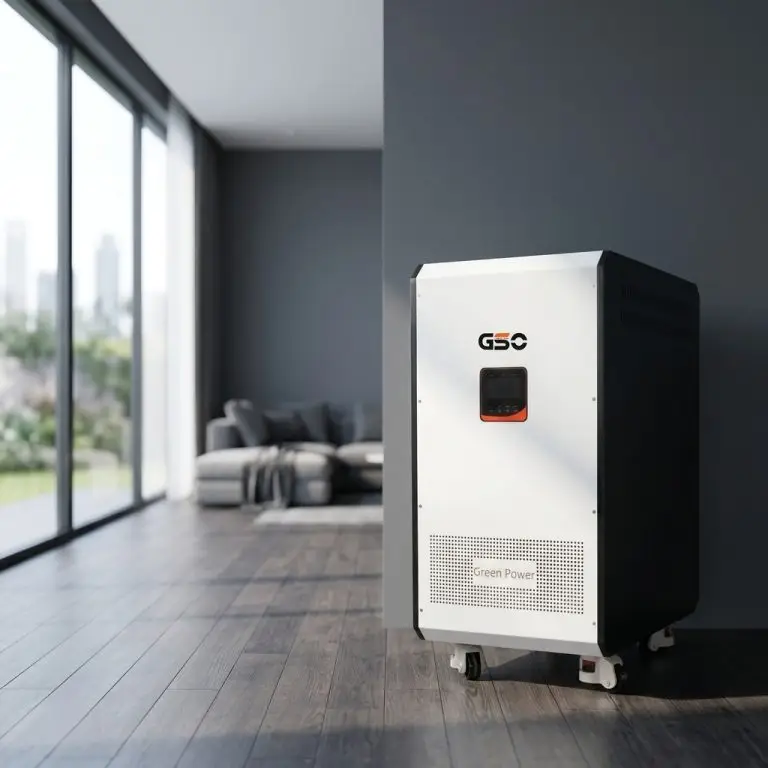
Where gsopower fits and what to expect
gsopower’s focus on production consistency — from matched cell selection to repeatable welding and thorough functional tests — makes their inverters a fit for people wanting predictable returns. Their designs tend to favor robust BMS logic and clear MPPT behavior, which helps with long-term balance and fewer unscheduled services. For teams who care about lifecycle and uptime, that’s a real advantage.
Golden rules for choosing storage and inverters (Advisory)
1) Test for sustained performance: insist on cycle-life data at usable depth of discharge, not just peak numbers. 2) Verify manufacturing QA: look for explicit cell sorting ranges and welding methods that reduce internal resistance. 3) Prioritize thermal and BMS design: ensure the unit’s cooling and balance strategy match your climate and load profiles. These three metrics cut the guesswork out and show you what’ll last.
gsopower fits naturally into that checklist because their production choices target those exact problems — fewer surprises, longer nights without worry. —
Trust the work you can measure.