 By owais
 Introduction: A Shop-Floor Moment
I remember the hum of welders on a Tuesday morning and the thin haze that followed each bead. It felt small at first, just part of the job—until a shift supervisor flagged an uptick in coughs across one team. In many plants, automotive manufacturing welding fume extraction is treated as a checklist item rather than a living system. The data told a sharper story: higher particulate counts during peak shift change and a 12% rise in filter loading over three months. So I asked myself: are we fixing symptoms or the real problem? (That question stuck with me.) This piece walks through what I’ve seen work and what often fails, and it will help you spot practical changes you can test on your floor. Let’s move from that shop-floor moment to a clearer view of the systems behind the smoke.
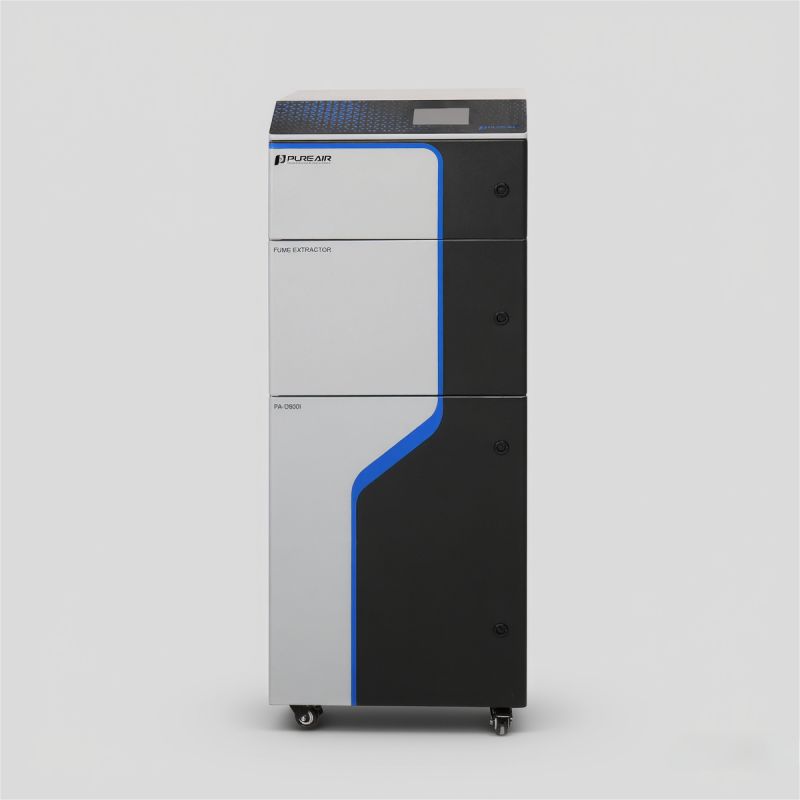
Why Conventional Extraction Falls Short
welding fumes dust collectors are the go-to device on most lines, but I’ll be frank: many are misapplied. Systems are sized by rough shop volume rather than capture needs. Fans run at full speed, filters cake quickly, and weld booths still leak. The result is poor capture efficiency and higher maintenance cost. I’ve walked through plants where HEPA filters and basic cartridge filters were swapped like bandages—temporary fixes, not solutions. Look, it’s simpler than you think: capture at the source matters more than brute airflow.
What exactly fails in practice?
First, capture geometry gets ignored. A torch at 45 degrees needs a different hood than a robotic arm sweeping an assembly. Second, control systems are often basic: time clocks, not demand feedback. That means variable frequency drives and airflow sensors sit unused or misconfigured. Third, filtration media selection is reactive. Shops chase lower pressure drop without matching the chemistry of welding fumes; they end up with rapid blinding and more downtime. I’ve also seen ductwork laid out like a plumbing experiment—sharp bends and long runs kill capture velocity. These are not abstract faults. They cost hours in lost production and dollars in spare parts. I don’t say this to alarm you, but to show where practical fixes deliver real returns.
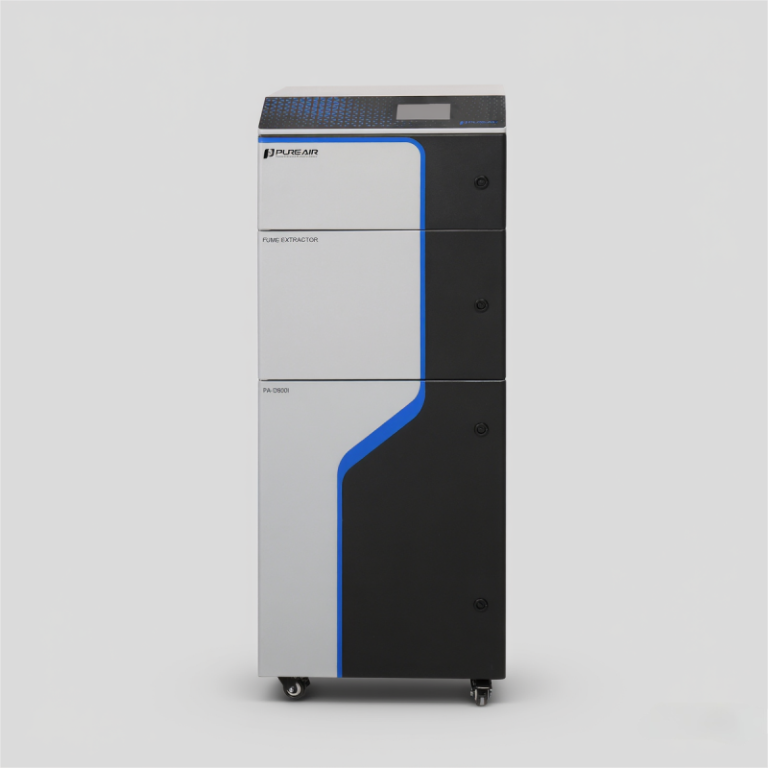
Principles and Pathways: Toward Better Extraction
Moving forward, I focus on a few core principles rather than silver bullets. First: design for capture, not dilution. That means locating hoods and slots so the torch plume has a short, clean path to the collector. Second: match filtration to the fume chemistry. Filtration media and HEPA stages must reflect the metals and fluxes in use. Third: add smart control—edge computing nodes that log airflow and trigger alerts, paired with simple dashboards so floor leaders can act fast. When I explain this to engineers, they nod—then ask about cost. My reply is honest: you save on labor and filter swaps, and you get better air quality. — funny how that works, right?
On the technology side, power converters and variable speed fans matter. They let you tune capture velocity with less energy waste. You can combine local exhaust ventilation with zoned extraction, so only active weld stations run at full power. That reduces total air volume and keeps filters from saturating too fast. I’ve seen plants cut filter spend by nearly half just by matching fan curves to real capture needs. This approach also makes maintenance predictable. It’s not magic. It’s engineering discipline plus a willingness to measure.
Real-world Impact
For evaluation, I recommend three clear metrics: capture efficiency at the nozzle, filter lifetime in operating hours, and energy per unit of weld (kWh per weld hour). Use those to compare candidates. If you want to pilot changes, start small: one cell, instrument it, then scale. We ran such pilots and documented better air — and fewer sick days. I’ll keep testing these ideas with teams I work with, and I invite you to do the same. When you’re ready, consider suppliers who back claims with data and who help tune systems, not just sell parts. For practical gear and measured solutions, check out PURE-AIR at PURE-AIR.